The winter doesn’t just bring snow and sweaters, the winter also brings exhaustion, low motivation, and a quiet struggle to take care of your mental health.
This shift in mood is called the winter slump. This slump is prevalent here at South, with students going through the Sophomore
Slump, and Senioritis to just name some. Unanimously, the students and staff struggle with the second marking period, regardless they need to push on for the rest of the year.
According to an article published online by The National Institute of Mental Health, lots of people go through more serious
mood changes that affect their behavior and thinking. This is referred to as Seasonal Affective Disorder (SAD). Many feel worse during shorter winter days.
One major reason for this changed environment is the lack of sunlight during the winter. An article published by The National Library of Medicine discusses this reaction between people and a change in the environment.
Which disrupts brain chemicals and doesn’t produce as much of it, such as serotonin; a catalyst for happiness. At the same time,
these earlier nights also increase melatonin, a hormone that controls sleep, which can leave people feeling tired and lethargic.
Ms. Angel Dolina, an AP Psychology teacher, explained the correlation between mood and sunlight, especially at South. “We’re also in a building where we don’t naturally get much sunlight,” she said.
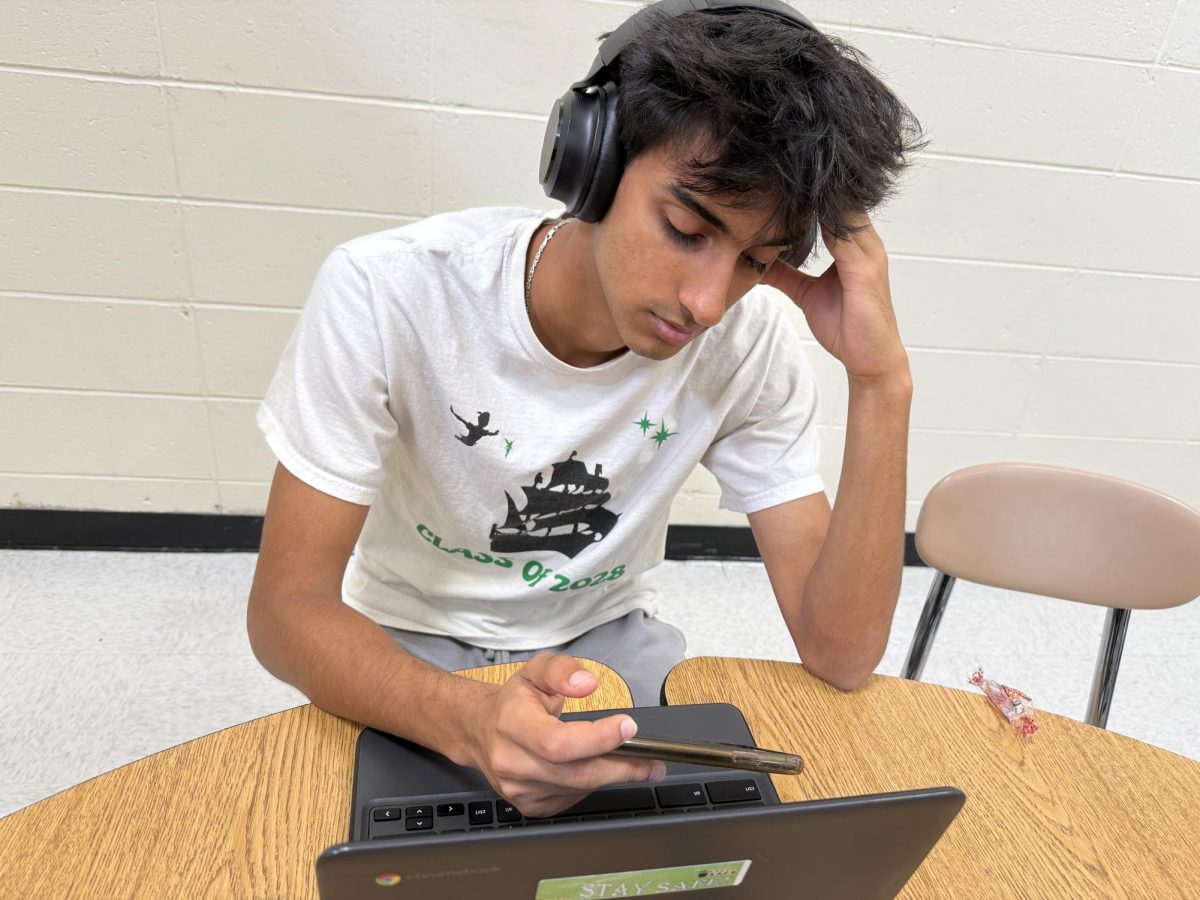
The absence of light can easily make students tired. “It gets dark earlier, and it’s really dark in the morning too,” said Veera Gang
(‘28). “Instead of going out and having fun, you’re at home feeling tired. There’s less physical activity and I think that affects people a lot.”
Ms. Dolina talked about the importance of ‘flow,’ a term in psychology that explains the idea
of time passing quickly when you participate in challenging, enjoyable activities. “When you’re in flow, your brain is focused and
stimulated in a healthy way. But it only works if you genuinely like what you’re doing,” she said.
Sports, baking or even talking with your friends puts you into this state of flow. During the winter, those moments of active engagement is what keeps the brain healthy.
While activities like sports and socializing can put you in a better mood, many students turn to music. Students find that listening
to songs can be a way to regulate their emotions during the winter months.
“In the mornings, especially when I’m really tired, I like to listen to a lot of Pitbull. I listen to songs like International Love and
Hotel Room Service, anything that helps start my day off feeling energetic,” said Maira Jamadar (‘29).
“Research shows that when people feel sad, they gravitate toward sad lyrics, and when they’re happy, they notice happy words
more,” said Ms. Dolina.
Because of the strong connection between mood and music, playlists can be an intentional way to help boost energy, relax the mind, or improve motivation during the winter months.
While music can be a temporary way to manage emotions, school psychologist Ms. Dana Randolph-Pryce said persistent
changes in mood or behavior may signal something more serious. “I wouldn’t encourage students to self-diagnose, but if they notice a significant change from their normal routine, such as withdrawing from others, losing interest in activities they usually enjoy, or feeling constantly tired even after getting enough rest, it’s important to talk to a trusted adult who can
help support them.”
Students can’t change the season, but they can change how they respond to the winter slump. Ms. Pryce said, “Even small steps like
staying connected with friends, keeping a routine, getting enough sleep, or going outside when possible can make a meaningful difference during the winter months.”